




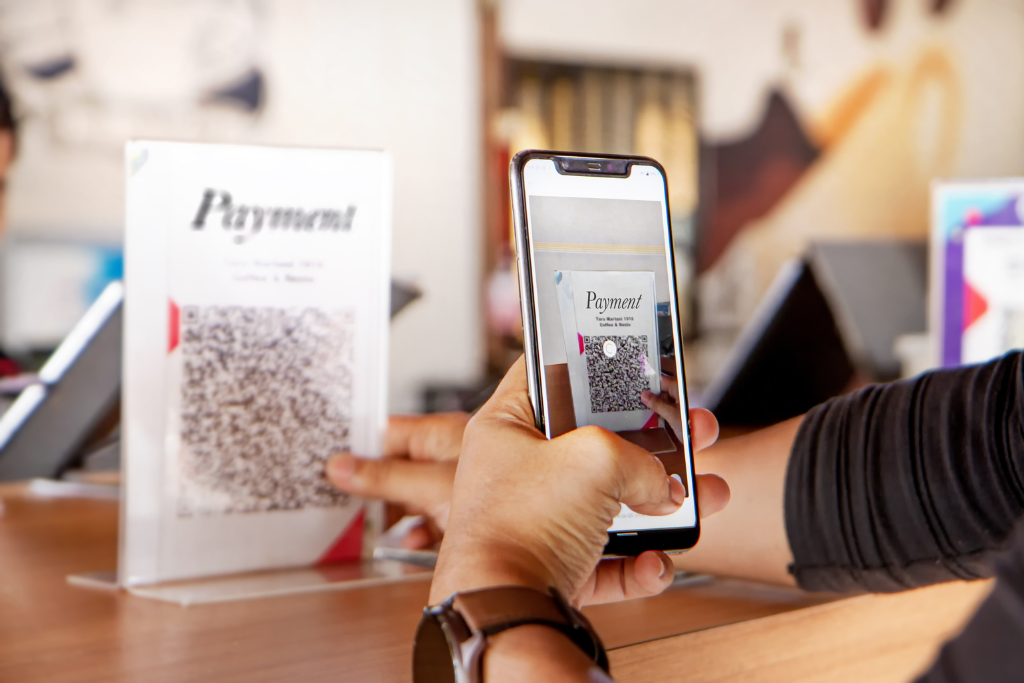
The convenience of digital transactions has made payments through QRIS and bank transfers an increasingly common part of everyday activities. However, this convenience also means that people need to be aware of various scam tactics that take advantage of users’ lack of attention.
One method used by scammers is social engineering, which involves exploiting certain situations or information to persuade victims to make decisions without verifying the information first. By understanding how these tactics work, you can make more informed decisions.
QRIS Scam Tactics to Watch Out For
QRIS makes payments easier by allowing users to scan a single QR code. However, this convenience can also be exploited by scammers.
Some common tactics include:
1. Placing a Fake QRIS Sticker
Scammers replace or place a fake QRIS sticker over a merchant’s original QRIS code. As a result, the payment is sent to the scammer’s account instead of the merchant’s account.
2. Sending QRIS Codes Through Chat
Scammers send a QRIS code through text messages or social media and ask victims to make a payment for various reasons, such as an administrative fee, account verification, or a prize payment.
Before making a payment, make sure the QRIS code comes from the merchant or an authorized party.
3. Impersonating a Merchant or Official Service
Scammers may contact victims and request payment through QRIS while claiming to represent a particular merchant or service. Always confirm the request through an official channel before making a transaction.
Wrong Transfer Scam Tactics
Wrong transfer scams should also be treated with caution because scammers may use an unfamiliar transaction to persuade victims to follow certain instructions.
OJK has previously warned about wrong transfer scams carried out by illegal online lending operators. In this scheme, someone receives funds they never applied for and is then asked to make installment payments or return the funds in a larger amount.
How Does the Scam Work?
In general, victims may be contacted by someone claiming to have accidentally transferred money to their account. The scammer then asks the victim to return the money or follow certain instructions.
Therefore, do not immediately use or return the funds based solely on information provided by an unknown party. Check your account transaction history and contact your bank through its official channels to verify the transaction.
If you receive an unfamiliar transfer, OJK advises you not to use the funds, keep the transaction evidence, report the matter to your bank, and request that the funds be placed on hold until there is clarity regarding the responsible party.
Signs of a Scam to Watch Out For
Both QRIS scams and wrong transfer scams may involve some of the following warning signs:
- The scammer pressures the victim to act immediately without giving them time to think.
- They use reasons designed to make the victim panic or feel guilty.
- They send transaction receipts that may not be genuine.
- They ask the victim to transfer money to a specific account.
- They instruct the victim to follow certain steps without verifying the information first.
Tips for Making Safer Transactions
To help protect yourself when making digital transactions, follow these steps:
Always Check Transaction Details
Before paying with QRIS, make sure the merchant name displayed in the app matches the intended payment recipient.
Check Your Account Transaction History
If someone claims they transferred money to you by mistake, check your account transaction history through your banking app or another official channel. Do not rely solely on the transfer receipt sent by that person.
Don’t Rush
Scammers often exploit panic to make victims act quickly. Take the time to verify the information before making a transaction or returning any funds.
Never Share Confidential Information
Never share your PIN, password, OTP code, CVV/CVC, or other confidential information with anyone, including someone claiming to be a bank representative.
Contact Official Channels
If you receive suspicious information, contact the bank’s official customer service immediately to verify the situation before taking any action.
What Should You Do If You Become a Victim?
If you believe you have been the victim of a scam or have made a transaction as a result of a scam:
- Immediately contact your bank’s official customer service.
- Keep records of all communication and transaction evidence.
- Report the incident to the relevant authorities if necessary.
The sooner a report is submitted, the sooner the incident can be handled.
Stay Vigilant When Making Transactions
QRIS and bank transfers are convenient payment methods when used correctly. However, staying vigilant remains an important way to protect yourself against increasingly sophisticated scam tactics.
Always make sure the transaction recipient is correct, verify information through official channels, and never share confidential information with anyone.
***
Beware of any form of fraud carried out in the name of PT Bank Neo Commerce Tbk. Bank Neo Commerce will never ask for your PIN, password, OTP code, or other confidential information by phone, text message, or social media.
If you find suspicious activity on the neobank app from Bank Neo Commerce, immediately contact Bank Neo Commerce’s official customer service through:
- Phone: 1500-190
- Email: customercare@bankneo.co.id
- Instagram: https://www.instagram.com/bankneocommerce/
Download the neobank app through Play Store or the App Store. For more information, visit the official Bank Neo Commerce website.
PT Bank Neo Commerce Tbk is licensed and supervised by the Financial Services Authority (OJK) and Bank Indonesia (BI), and is a participant in the Deposit Insurance Corporation (LPS) guarantee program.




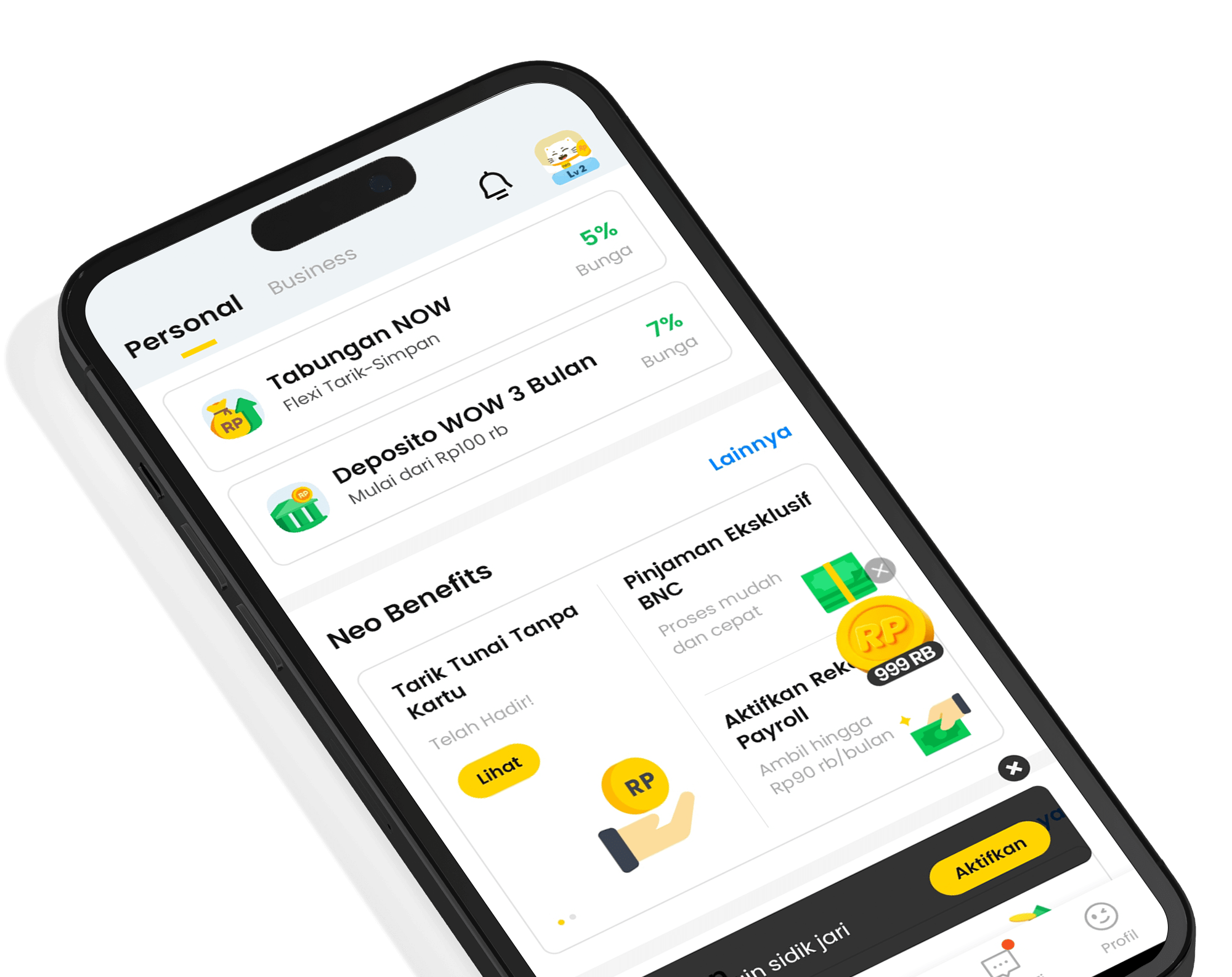
What are you waiting for?
Let's try neobank now!
.png)
.png)

PT Bank Neo Commerce Tbk is licensed and supervised by the Financial Services Authority (OJK) & Bank Indonesia (BI) and is a member of Indonesia Deposit Insurance Corporation (LPS).
The maximum deposit amount insured by LPS per customer per bank is Rp2 billion. To find out the LPS Guaranteed Interest Rate, please access here.
Copyright © 2023, All Rights Reserved, PT. Bank Neo Commerce Tbk


PT Bank Neo Commerce Tbk is licensed and supervised by the Financial Services Authority (OJK) & Bank Indonesia (BI) and is a member of Indonesia Deposit Insurance Corporation (LPS).
The maximum deposit amount insured by LPS per customer per bank is Rp2 billion. To find out the LPS Guaranteed Interest Rate, please access here.


Copyright © 2023, All Rights Reserved, PT. Bank Neo Commerce Tbk