




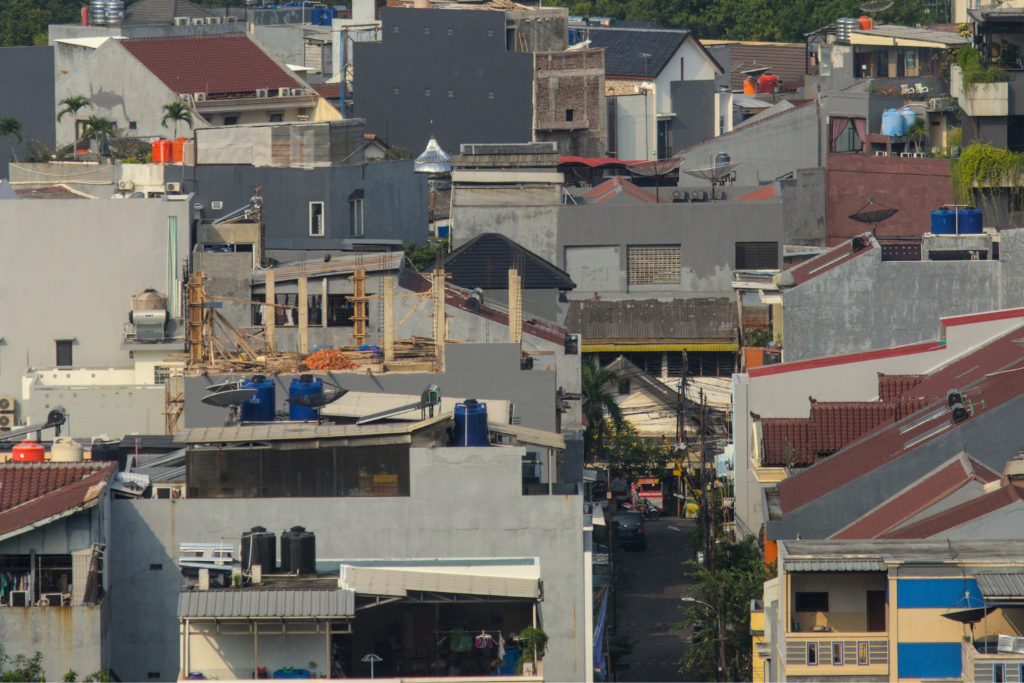
The cost of living in Jakarta can be challenging for employees, students, and families, especially when housing, food, and transportation account for a large share of the monthly budget. Although Jakarta’s 2026 provincial minimum wage (UMP) has increased to IDR 5,729,876, many workers still feel that their monthly expenses are getting higher than before.
It is no surprise that people are searching for information about the cost of living in Jakarta in 2026, living expenses for workers, and living expenses for students. As Indonesia’s business and economic hub, Jakarta offers plenty of opportunities. However, living in the capital also requires careful financial planning to maintain a healthy financial situation.
How Much Does It Cost to Live in Jakarta in 2026?
The answer depends on your needs, where you live, and your lifestyle.
For example, the cost of living in Jakarta in 2026 for someone who has moved to the city and lives alone will differ from the cost of living for a family supporting a spouse and children.
The cost of living for students in Jakarta also tends to focus on housing, food, transportation, and education expenses.
What Are the Biggest Living Expenses in Jakarta?
In general, some of the biggest expenses in Jakarta include housing, food, transportation, personal necessities, and entertainment.
1. Housing
For many people who move to Jakarta from other regions, housing is their largest monthly expense.
As a general illustration, boarding house rental prices can vary significantly depending on location, facilities, and access to public transportation.
For example, living expenses in Central Jakarta tend to be higher because of its proximity to business districts and office areas. Meanwhile, some other areas still offer more affordable rental options.
2. Daily Meals
Besides housing, food is another substantial recurring expense.
Here are some general price estimates:
- Meals at a warteg (a traditional Indonesian food stall): IDR 15,000–25,000 per portion
- Fast-food meals: IDR 30,000–60,000 per visit
- Trendy coffee drinks: IDR 20,000–50,000 per cup
If the average cost of a meal is IDR 20,000 and you eat three times a day, your food expenses could reach approximately IDR 1.8 million per month.
That is why cooking at home remains one way to reduce living expenses.
3. Transportation
Jakarta offers a relatively comprehensive range of public transportation options.
Some commonly used fares include:
- TransJakarta: starting at IDR 3,500
- Jakarta MRT: IDR 3,000–14,000
- KRL Commuter Line: IDR 3,000–8,000
- Online motorcycle taxis: fares vary depending on distance and travel time
Choosing accommodation close to your workplace or campus can help reduce monthly transportation costs.
4. Personal Expenses
In addition to essential expenses, there are recurring costs that may seem small but can still affect your monthly budget.
Examples include:
- Mobile phone credit and internet packages
- Laundry
- Toiletries
- Healthcare expenses
- Subscriptions to apps or digital platforms
Combined, these expenses can add up to hundreds of thousands of rupiah each month.
6. Entertainment and Lifestyle
Coffee at cafés, movie tickets, streaming subscriptions, and outings with friends should also be included in your budget.
There is nothing wrong with enjoying yourself. However, these expenses should remain within your financial means so they do not interfere with essential needs.
Does the Cost of Living Vary Across Jakarta?
Yes. For example, living expenses in West Jakarta, East Jakarta, North Jakarta, and Central Jakarta can differ depending on housing prices, transportation access, and lifestyle choices.
Areas close to business districts generally have higher rental costs. In contrast, some outlying areas offer relatively lower living expenses, although commuting to work or campus may take longer.
Therefore, before moving to Jakarta, it is important to prepare a budget estimate based on your personal needs.
Estimated Cost of Living in Jakarta for Workers
Consider a single employee living in a modest boarding house, with the following monthly expenses:
Estimated Monthly Expenses
- Boarding house: IDR 1,500,000
- Food: IDR 1,800,000
- Transportation: IDR 300,000
- Mobile phone and internet: IDR 150,000
- Laundry: IDR 100,000
- Entertainment: IDR 500,000
Total estimated monthly expenses: IDR 4,350,000
These figures may be lower or higher depending on each person's lifestyle.
Therefore, the cost of living in Jakarta for workers cannot be standardized for everyone.
Don't Forget to Set Aside Money for Savings
The high cost of living in Jakarta in 2026 does not mean saving money is impossible. In fact, as expenses increase, setting aside part of your income becomes even more important.
Whether you are a worker, a student, or part of a family living in Jakarta, managing your expenses becomes easier when you have a clear budget and consistently set aside money each month.
Start with an amount that fits your financial situation. It does not have to be large. What matters most is consistency and having a clear financial goal.
To help build a savings habit, you can consider NOW Saving through the neobank app from Bank Neo Commerce. This digital savings account offers a competitive interest rate*, credited daily, and can be used to set aside funds according to your needs and financial goals.
Before opening a savings account, make sure you understand the product's features, benefits, fees, risks, and applicable terms and conditions.
***
Product features, fees, and terms may change in accordance with the policies of the respective service providers.
*Please pay attention to the deposit interest rate guaranteed by the Indonesia Deposit Insurance Corporation (LPS). Deposits with interest rates exceeding the applicable LPS guarantee rate are not covered by LPS. As of January 31, 2027, the LPS guarantee rate is 3.75% per annum.
To start using NOW Saving, download the neobank app from thePlayStore or App Store. For more information, visit NOW Saving and Bank Neo Commerce.
PT Bank Neo Commerce Tbk is licensed and supervised by the Financial Services Authority (OJK) and Bank Indonesia (BI), and is a participant in the Indonesia Deposit Insurance Corporation (LPS) deposit insurance program.



What are you waiting for?
Let's try neobank now!
.png)
.png)

PT Bank Neo Commerce Tbk is licensed and supervised by the Financial Services Authority (OJK) & Bank Indonesia (BI) and is a member of Indonesia Deposit Insurance Corporation (LPS).
The maximum deposit amount insured by LPS per customer per bank is Rp2 billion. To find out the LPS Guaranteed Interest Rate, please access here.
Copyright © 2023, All Rights Reserved, PT. Bank Neo Commerce Tbk


PT Bank Neo Commerce Tbk is licensed and supervised by the Financial Services Authority (OJK) & Bank Indonesia (BI) and is a member of Indonesia Deposit Insurance Corporation (LPS).
The maximum deposit amount insured by LPS per customer per bank is Rp2 billion. To find out the LPS Guaranteed Interest Rate, please access here.


Copyright © 2023, All Rights Reserved, PT. Bank Neo Commerce Tbk