




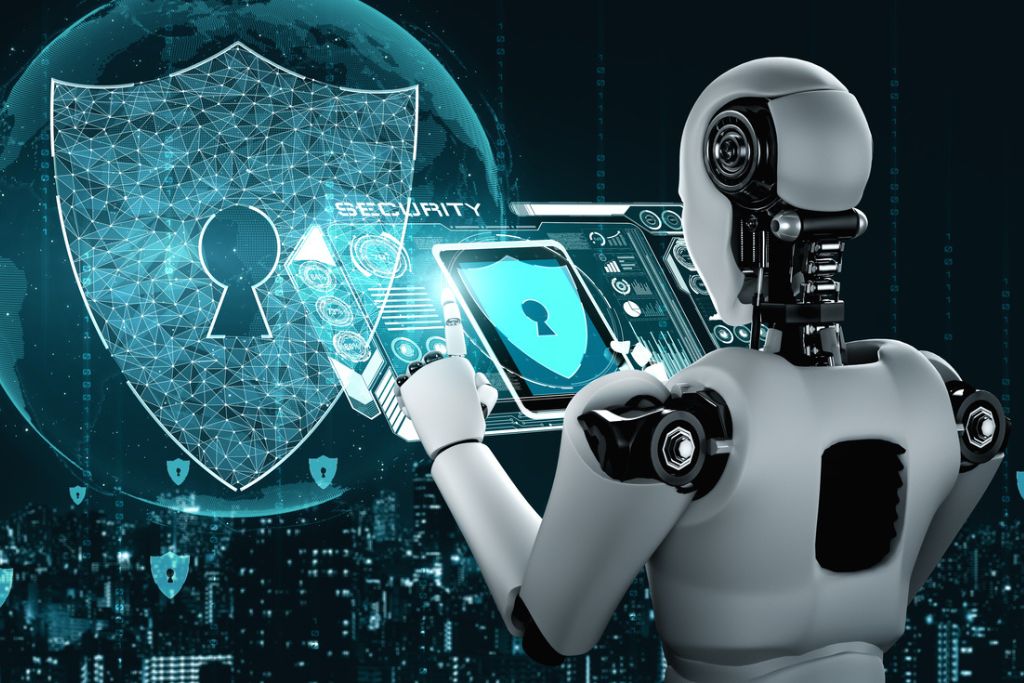
Artificial Intelligence (AI) technology has made extraordinary advances in recent years. The presence of AI holds the potential to fundamentally transform various industries, one of which is the banking industry.
Besides being a disruptive innovation, AI-based implementation can also pose dangerous threats. Concerns have arisen regarding ethics, privacy, and the impact of AI technology, which can easily be misused by fraudsters to carry out their actions.
Social Engineering Scams
Remember the viral video of Indonesian President Joko Widodo (Jokowi) before the February 14, 2024, election? A video circulated on social media showed the President delivering a speech in Mandarin, sparking controversy.
In reality, the video was created using AI-generated content, a technique used to modify or create visual content such as photos and videos. The results are usually highly realistic and difficult to distinguish from genuine content. This can lead to misperceptions among viewers.
To help Neotizens stay cautious, here are some examples of social engineering scams using AI:
AI-Driven Social Engineering Scams
1. Tsunami Social Engineering
In this method, fraudsters use Generative Adversarial Networks (GAN) to produce high-quality phishing emails, realistic deepfakes, and other advanced social engineering attacks that are highly convincing.
2. Open-Source Software Exploits
With AI’s help, fraudsters can create malware capable of changing its code algorithm in real-time, especially in .apk files. This makes the malware difficult for smartphone security systems to detect.
3. Deepfake Video Impersonation
AI technology now allows for not only fake audio but also highly realistic visuals. Fraudsters use deepfake videos to impersonate someone close — such as a colleague, business partner, or friend — in real time.
Stay Safe by Following These Tips:
- Keep personal data confidential (e.g., ID card, CVV, debit card expiry date, OTP, PIN, and passwords).
- Never share personal information with anyone, even those claiming to be from the bank.
- Don’t be easily tempted by attractive offers or advertisements — always verify their authenticity.
- Ensure your neobank app notifications are active to receive transaction alerts.
- Always safeguard your neobank debit card while traveling and never hand it over to strangers.
- Use only official websites and apps for online transactions.
- Check your bank account statement regularly every month.
- Avoid downloading or clicking suspicious files or links sent via email, WhatsApp, or SMS, especially from unknown sources.
If you notice suspicious activity or transactions, contact Bank Neo Commerce immediately via these official channels:
- Phone (Customer Support): 021-1500-190
- Email: customercare@bankneo.co.id
- Facebook: facebook.com/bankneocommerce
- Instagram: @bankneocommerce
- Twitter: @bankneocommerce
- YouTube: Bank Neo Commerce
- LinkedIn: PT Bank Neo Commerce Tbk
- TikTok: @bankneocommerce
Contact Bank Neo Commerce’s Help Center immediately if you:
- Discover suspicious transactions in your personal account
- Receive emails linked to your personal bank account
- Get suspicious short messages (SMS/WhatsApp)
Visit the official website of Bank Neo Commerce for complete information about neobank and Bank Neo Commerce.
***
PT Bank Neo Commerce Tbk is licensed and supervised by the Indonesia Financial Service Authority (OJK) and Bank Indonesia (BI), and an insured member of Deposit Insurance Corporation (LPS).




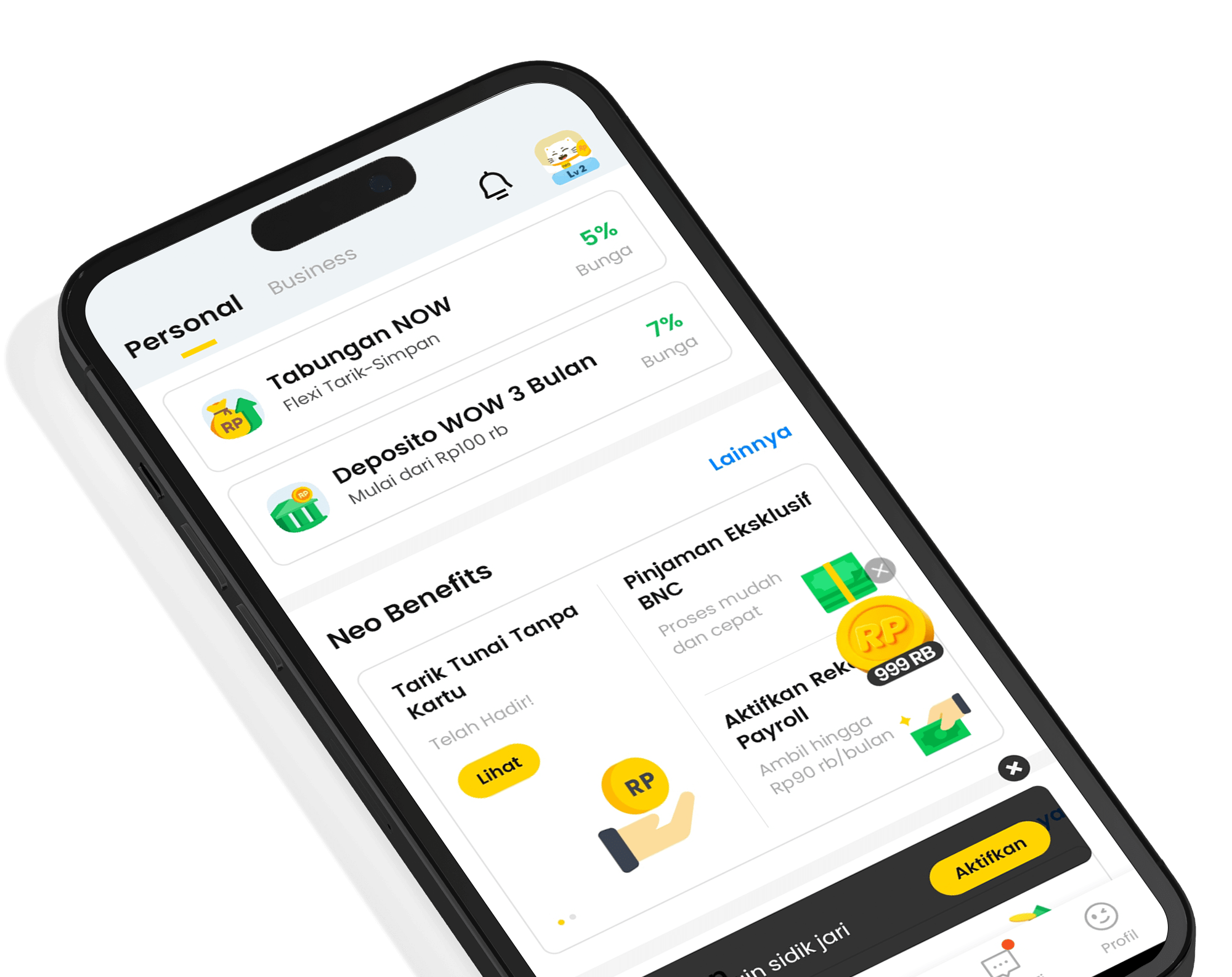
What are you waiting for?
Let's try neobank now!
.png)
.png)

PT Bank Neo Commerce Tbk is licensed and supervised by the Financial Services Authority (OJK) & Bank Indonesia (BI) and is a member of Indonesia Deposit Insurance Corporation (LPS).
The maximum deposit amount insured by LPS per customer per bank is Rp2 billion. To find out the LPS Guaranteed Interest Rate, please access here.
Copyright © 2023, All Rights Reserved, PT. Bank Neo Commerce Tbk


PT Bank Neo Commerce Tbk is licensed and supervised by the Financial Services Authority (OJK) & Bank Indonesia (BI) and is a member of Indonesia Deposit Insurance Corporation (LPS).
The maximum deposit amount insured by LPS per customer per bank is Rp2 billion. To find out the LPS Guaranteed Interest Rate, please access here.


Copyright © 2023, All Rights Reserved, PT. Bank Neo Commerce Tbk